Home › Gravel-to-Asphalt Conversions
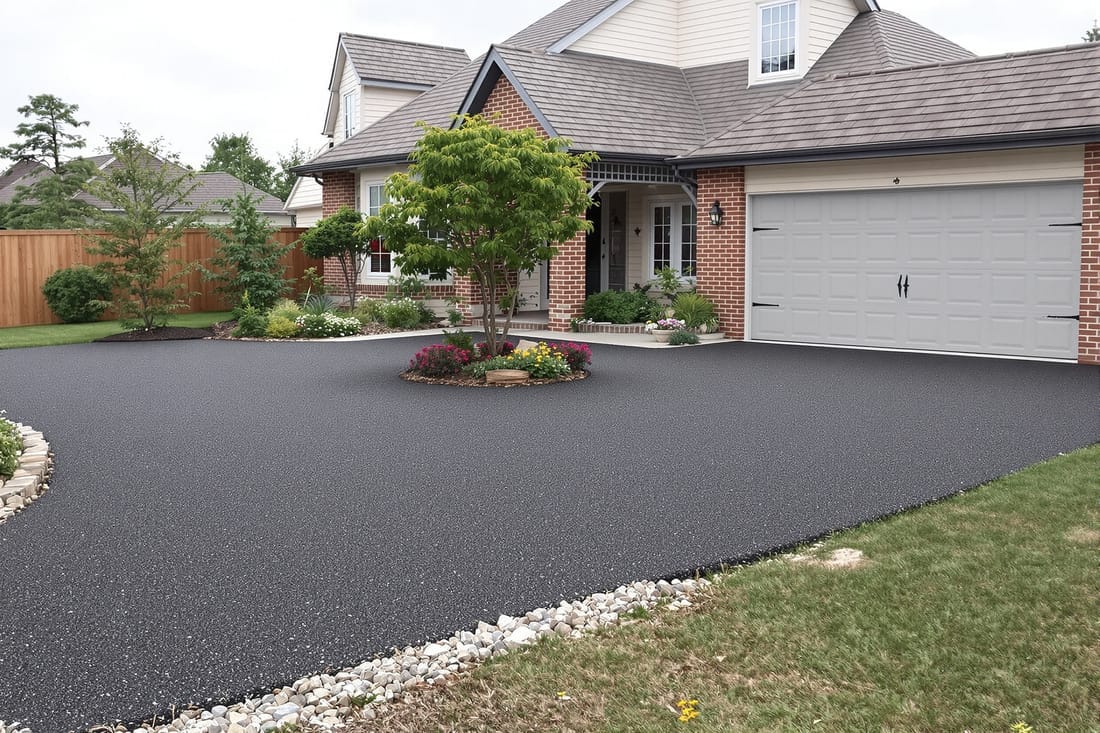
We specialize in gravel to asphalt driveway conversions in Tulsa, OK so you can say goodbye to mud, dust, and ruts. Our crew reshapes the drive, installs a stable base, and paves smooth asphalt that is easier to drive and maintain. Get a free quote to convert your gravel driveway to asphalt today.
Precision Asphalt Tulsa provides professional gravel to asphalt driveway throughout Tulsa, OK, Oklahoma and the surrounding area. Our licensed, insured crew delivers safe, clean, on-time work with a free estimate before anything begins. Call (918) 703-4204 or request your free quote.
Turn Your Gravel Driveway Into a Smooth Asphalt Surface
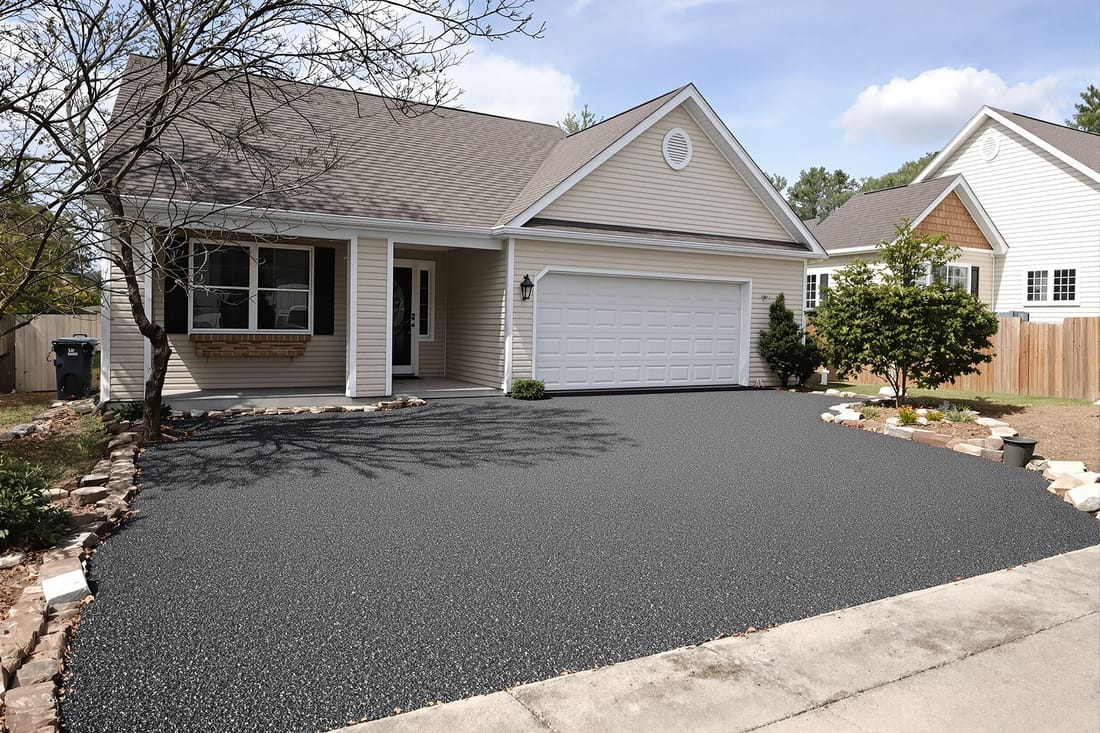
If you are tired of dust, washouts, and ruts every time it rains in Tulsa, a gravel to asphalt driveway conversion can be a smart upgrade. At Precision Asphalt Tulsa, we specialize in taking existing gravel or millings and turning them into clean, durable asphalt driveways that are easier to drive on and much simpler to maintain.
Gravel driveways around Tulsa County deal with a tough mix of heavy summer storms, clay soils, and freeze-thaw cycles in winter. That combination leads to soft spots, standing water, and constant regrading. Asphalt creates a solid, water-shedding surface that stands up better to pickup trucks, trailers, and everyday traffic.
When we look at your property, we do not just throw asphalt on top of gravel. We evaluate your base, drainage, and access. Sometimes that means reusing much of your existing gravel as part of the base, which can save you money. Other times, especially in low or muddy areas, we recommend excavating and rebuilding the base so your new asphalt driveway does not fail in a couple of seasons.
Whether you have a short residential drive off a neighborhood street or a long private lane outside city limits, Precision Asphalt Tulsa designs each gravel to asphalt driveway conversion to fit how you actually use it. That includes thinking about trailer turning space, delivery truck access, and where water naturally wants to flow on your property.
How Our Gravel-to-Asphalt Conversion Process Works
A successful gravel to asphalt driveway project is all about the preparation. Here is what you can expect when Precision Asphalt Tulsa converts your gravel drive in the Tulsa area.
1. Site visit and measurement. We start with an on-site evaluation, measuring length, width, and slope. We look for soft spots, pothole patterns, and areas where water pools after rain. In Tulsa, we pay special attention to red clay pockets and shaded areas that stay wet longer.
2. Grading and drainage corrections. Using skid steers and motor graders, we reshape the existing gravel to create the proper crown or cross slope so water runs off the driveway instead of sitting on it. In some cases we cut shallow swales along the sides or add culverts under the drive where water crosses. Good drainage is critical in our heavy Oklahoma downpours.
3. Base repair or rebuilding. If your existing gravel is thick and stable, we compact it and use it as the base. If it is thin, muddy, or mixed with topsoil, we excavate down, typically 4 to 8 inches, and bring in new aggregate base. For most residential conversions in Tulsa, we use a crushed limestone or similar base material compacted in layers with a vibratory roller until it is tight and firm underfoot.
4. Edge preparation. To help support the new asphalt, we sometimes cut a clean edge into existing turf, install small concrete headers, or slightly widen the base so the asphalt has support along the sides. This is especially important along curves and near the street where traffic loads are highest.
5. Asphalt paving. Once the base is ready, we apply a tack coat where needed and lay hot mix asphalt. For typical residential driveways we usually install 2 to 3 inches of compacted asphalt, sometimes thicker at entrances that see heavy truck traffic. Our crew uses an asphalt paver on accessible runs and hand-places and compacts asphalt in tight or irregular areas.
6. Final compaction and clean up. We compact with steel drum rollers and plate compactors at the edges, then check for low spots where water might stand. We sweep, haul away debris, and leave you with a clean, ready-to-use asphalt drive. In normal Tulsa weather, you can usually drive on it within 24 hours, although we recommend avoiding tight turning of heavy vehicles for a few days.
Design Choices for Your New Asphalt Driveway
Converting from gravel to asphalt does not mean you are locked into a basic straight strip. Precision Asphalt Tulsa can adjust the layout and finish to match how you live and how your property is laid out in Tulsa.
Driveway width and layout. Many gravel drives start narrow, which works until you try to pass two vehicles or back a trailer. During your conversion, we can widen to a more comfortable 10 to 12 feet for single-lane residential driveways, or more for turnarounds and parking pads. If you struggle with backing out into a busy street, we can add a small asphalt parking or turnaround area so you can pull out facing forward.
Thickness and mix type. For light residential traffic, a standard hot mix asphalt thickness works well. If you have heavier use, such as work trucks, equipment trailers, or RVs, we may suggest increasing the asphalt thickness or strengthening the base layer instead of just adding more asphalt on top. In some situations we upgrade to a different mix that resists shoving at tight turns, like at garage entrances.
Edges and transitions. At the street, we make sure your new gravel to asphalt driveway ties smoothly into the city or county pavement so there is no harsh bump. At garages or carports, we match elevations carefully to avoid puddles at the threshold. Options like concrete aprons, small curbs, or simple gravel shoulders can be added, depending on your budget and preferences.
Finish and future sealing. Initially, new asphalt will have a deep black color that softens slightly over the first season. We can talk about the right time to sealcoat your driveway, usually after the first year, to help protect against Tulsa sun and fuel drips. Sealcoating is not part of the conversion itself, but planning for it from the start helps you get the longest life from your investment.
What Affects Cost and Timeline in Tulsa
No two gravel to asphalt driveway projects cost the same, even if they look similar at first glance. At Precision Asphalt Tulsa, we are upfront about what drives the price so there are fewer surprises.
Base and subgrade conditions. The biggest cost factor is what is under your gravel today. If your driveway has been there for years and already has several inches of compacted rock that stays firm after rain, we can often reuse much of that, which keeps costs down. If we find deep ruts, mud pumping up through the gravel, or vegetation growing in the drive, we may need to excavate and bring in more base material, which adds labor and trucking.
Driveway size and access. Longer, wider drives obviously require more materials and time. In rural parts of the Tulsa area, access for trucks and paving equipment can also affect costs. Tight backyards, low trees, or narrow gates sometimes require more handwork, which takes longer than using large machines.
Drainage improvements. Simple grading adjustments are usually included, but if your property needs new culverts, significant reshaping, or removal of old railroad ties or failing concrete, that work will show up as line items on your estimate. Spending a bit more on drainage is nearly always worth it because it directly affects how long your asphalt surface will last.
Season and scheduling. In Tulsa, we avoid paving in very cold or extremely wet weather because asphalt needs enough warmth and time to compact properly. Spring and fall often book up faster, so homeowners who need a specific date around a move-in or event should contact us early. Most residential gravel to asphalt conversions are completed in one to two days once our crew is on site, with larger rural drives sometimes stretching into a second or third day.
Common Issues We Solve & How to Get Started
Gravel driveways around Tulsa tend to share a few recurring problems, and a well-planned gravel to asphalt driveway conversion can fix most of them.
Mud at the street or in front of the garage. If you track mud onto city streets or into your garage after every rain, asphalt gives you a clean, hard surface to drive on. We typically extend the asphalt far enough beyond the problem area so it is still solid under your tires when you turn or brake.
Washouts and ruts on slopes. Sloped gravel drives are prone to channels and washouts during Oklahoma thunderstorms. In those cases, Precision Asphalt Tulsa focuses on reshaping the base, improving side ditches, and choosing a mix that resists sliding under braking. We also look at where water enters the drive from the yard or road and, when possible, divert it before it hits your new asphalt.
Dust and rock scatter. Gravel dust coated vehicles and loose rock in yards and flower beds are common complaints. A properly compacted asphalt surface eliminates drifting gravel and greatly cuts down on dust, which is especially helpful on shared drives or near outdoor living areas.
If you are considering converting your gravel drive, a simple conversation and site visit will answer most of your questions. We will walk your driveway with you, talk through how you use it, point out any concerns like soft spots or drainage issues, and then provide a clear written estimate that explains the scope and cost. Precision Asphalt Tulsa is local to the Tulsa area, so we understand the soil, weather, and traffic patterns that affect how long your new driveway will last.