Home › Asphalt Milling and Reclamation
We offer asphalt milling in Tulsa, OK to remove worn surfaces, correct grades, and prepare pavements for overlays. For deeper repairs, our reclamation services recycle existing asphalt and base in place to create a new, stable foundation. Request a free milling or full depth reclamation assessment today.
Precision Asphalt Tulsa provides professional asphalt milling throughout Tulsa, OK, Oklahoma and the surrounding area. Our licensed, insured crew delivers safe, clean, on-time work with a free estimate before anything begins. Call (918) 703-4204 or request your free quote.
Asphalt Milling and Reclamation for Tulsa Properties
Asphalt milling is a cost‑effective way to remove worn or damaged pavement without tearing out your entire parking lot or driveway. Precision Asphalt Tulsa uses heavy milling machines to grind off a controlled depth of asphalt, usually from 1 inch to several inches, so we can correct surface problems while keeping the strong base you already paid for.
In Tulsa, milling is often the right choice when the surface has cracking, rutting, depressions, or drainage issues, but the underlying base is still stable. For many commercial lots along Memorial, Sheridan, and 71st, we mill off the top layer, adjust slopes for better water runoff, then install new asphalt. This avoids the cost and downtime of a full tear out.
Asphalt reclamation (also called full‑depth reclamation) goes deeper. Instead of just milling, we grind the existing asphalt together with part of the base beneath it, then reuse that material as a strengthened base layer. This is especially useful on older Tulsa county roads and large rural driveways where the base has weakened or where repeated overlays have left the surface too high at curbs and entrances.
Precision Asphalt Tulsa focuses on choosing the lightest, least invasive approach that will actually solve the problem long term. Sometimes that means partial milling and a thin overlay. Sometimes it means full‑depth reclamation and rebuilding the base from the bottom up. We explain which approach fits your pavement, not just what is easiest for us.
How Asphalt Milling Actually Works
A proper milling job follows a clear sequence so the new surface bonds well and drains correctly. First, Precision Asphalt Tulsa inspects and cores the pavement if needed to find the true thickness of the asphalt and base layers. We check for soft spots, pumping at cracks, and areas that hold water after a rain. This inspection tells us how deep to mill and where to plan repairs.
Next, we set a milling depth. For many Tulsa parking lots at shopping centers or medical offices, we typically remove 1.5 to 2 inches, which is enough to take out surface cracking and ruts. On industrial sites with heavy truck traffic, we often mill deeper so we can install a thicker new surface course. Our crew marks drainage paths so the machine operator keeps the correct cross‑slope toward drains, inlets, or swales.
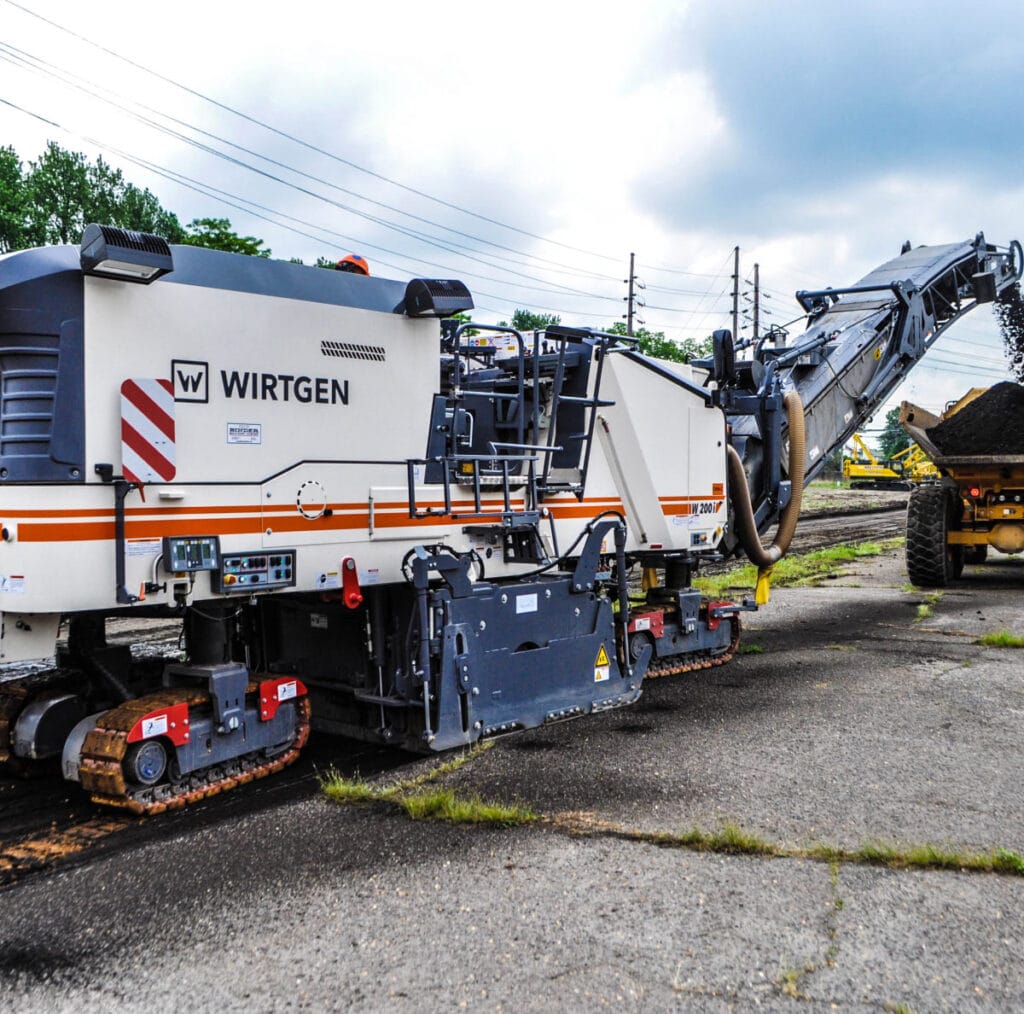
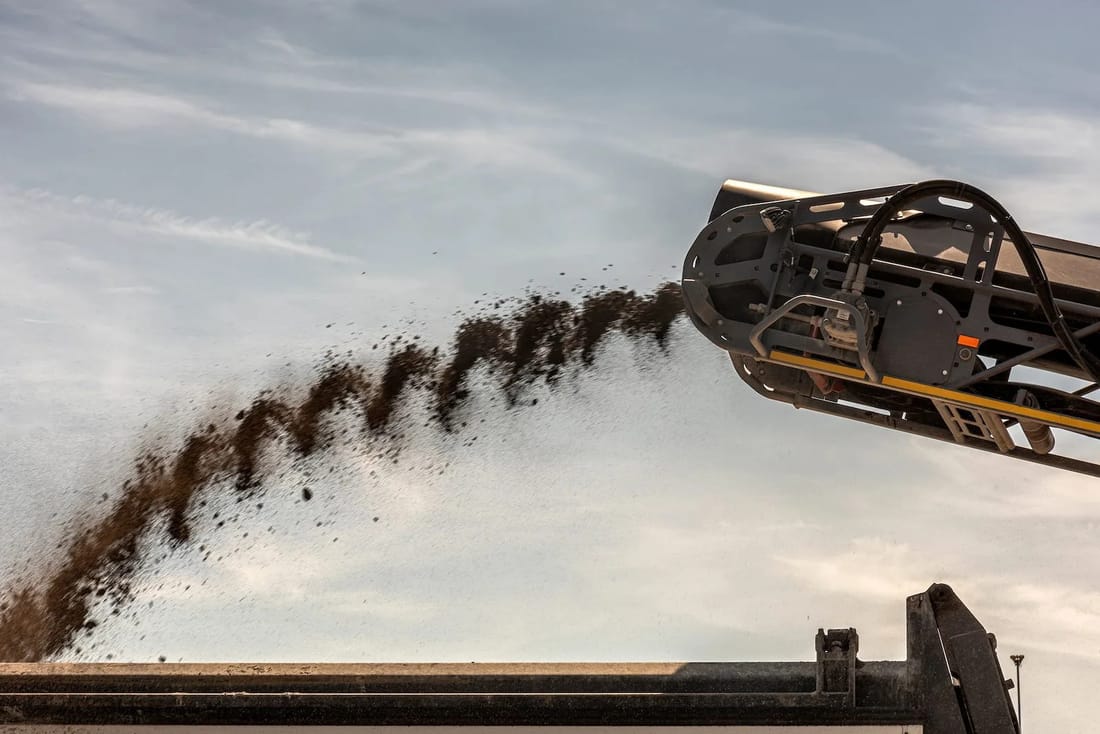
During milling, a drum with cutting teeth grinds off the asphalt in narrow passes. The machine feeds the milled asphalt into trucks for hauling. We control speed and depth so we do not damage the base. Where there are manholes, water valves, or utility structures (common in midtown and downtown Tulsa lots), we mill carefully around them or lower them before paving.
After milling, we clean the surface thoroughly using sweepers and blowers. Any loose or crumbling areas are cut out and patched so the new asphalt has a firm, even base. We then apply a tack coat, a thin layer of bonding asphalt, to help the new layer grab onto the milled surface. Skipping cleaning or tack might save a little time, but it is the main reason overlays peel or ravel early. We do not cut corners on these steps.
Full‑Depth Reclamation for Failing Pavement
When a pavement is cracked from top to bottom, has wide alligator cracking, or shows repeated base failures, milling the surface is not enough. In these cases, Precision Asphalt Tulsa recommends full‑depth reclamation. This method is common on older county roads east and west of Tulsa, as well as on large private drives and truck yards that have seen decades of use.
For reclamation, we use a specialized reclaimer to grind the entire asphalt layer and a portion of the base material beneath it, usually 6 to 12 inches deep depending on soil conditions. In many parts of the Tulsa area, we are working with clayey subgrade that holds water, so we pay close attention to depth and moisture. The reclaimer blends the existing asphalt with the base into a uniform material.
We can treat this blended layer with additives, such as cement or asphalt emulsion, to improve strength and moisture resistance. For example, on low‑lying sites near the Arkansas River where the water table can be higher, we may cement‑stabilize the reclaimed base so it holds up better during wet seasons. On lighter duty residential or church parking areas, we may simply compact the reclaimed mix without additives, which still provides a strong, recycled base.
After mixing, we shape the reclaimed base with a grader, set the proper crown or slope for drainage, then compact with rollers until density targets are met. This reclaimed base becomes a strong, frost‑resistant foundation for the new asphalt surface. The new asphalt layer is then laid and compacted much like a standard paving job. You end up with a new pavement structure that reuses your old materials instead of paying to haul them away and bring in large amounts of new rock.
Local Conditions in Tulsa That Affect Milling and Reclamation
Tulsa’s weather and soils make a difference in how milling and reclamation should be done. Frequent freeze‑thaw cycles in winter, hot summers, and periodic heavy storms all stress asphalt. Many of the issues we see in neighborhoods like South Tulsa, Broken Arrow, and Owasso are linked to poor drainage and saturated clay subgrade, not just thin asphalt.
On commercial sites, the combination of heavy traffic and occasional standing water is a common trigger for rutting and potholes. When we mill those lots, we pay close attention to getting water off the surface. That may mean reshaping slopes slightly during milling or lowering high spots around inlets. Ignoring drainage is a sure way to see the same failures return within a few years.
For residential driveways in established Tulsa neighborhoods with 1960s to 1990s homes, milling is often used as part of a resurfacing project when the base is in decent shape but the surface has aged. These driveways may have multiple overlays that have raised the surface too close to garage slabs or street gutters. A light mill down before repaving lets us bring elevations back in line so water does not run toward the house.
In rural areas and on long private drives where the original construction may have been light or done without proper base depth, reclamation is often the better option. It lets us correct poor base conditions and create a thicker, more uniform structure using the materials you already have, which usually costs less than full removal and replacement with imported aggregate.
Cost Drivers, Options, and What to Decide Upfront
Several factors drive the cost of asphalt milling and reclamation in Tulsa, and understanding them helps you compare bids fairly. The main cost drivers are project size, milling or reclamation depth, condition of the existing base, access for equipment, and how much new asphalt you choose to install.
Shallower milling, such as 1 to 1.5 inches on a small parking lot, is generally less expensive than deep milling or full‑depth reclamation. However, going too shallow just to save money can leave deep cracks and structural problems in place. Precision Asphalt Tulsa will tell you when a deeper mill or reclamation is justified so you are not paying for another major repair in just a few years.
Base repairs and patching are another cost factor. During milling, we often uncover weak areas that need full‑depth removal and replacement with new base rock and asphalt. Good estimates include an allowance for this, with unit prices for patches if more are needed. If a quote ignores possible base repairs on an obviously distressed lot, you can expect change orders later.
You will also need to decide on the thickness and mix design of the new asphalt surface. Light‑duty residential or office parking areas might get 1.5 to 2 inches of surface mix. Heavy truck lots may need 3 inches or more, sometimes in two lifts. We can use Oklahoma DOT or city of Tulsa‑type mixes when needed, or adjust aggregate size and binder content based on your traffic and budget.
Finally, consider timing and downtime. Milling is often scheduled so that milled areas are repaved the same day or next day, to avoid leaving rough surfaces open to traffic. On busy retail sites, we can stage the work so parts of the lot remain open. With reclamation, curing or stabilization time for the reclaimed base may add a day or two before asphalt is placed. Planning ahead around your business hours or school or church events keeps disruption low.
Common Issues, How We Handle Them, and Why Choose Precision Asphalt Tulsa
A few issues tend to come up on real‑world milling and reclamation projects, and how your contractor deals with them matters. One is unexpected soft subgrade under apparently solid pavement. When Precision Asphalt Tulsa encounters this, we stop, proof‑roll with a loaded truck to locate the weak area, then undercut and rebuild that section with suitable base rock rather than paving over a bad spot.
Another common problem is mismatched elevations at tie‑ins, such as where your lot meets the city street or an adjacent driveway. On many Tulsa sites we mill more heavily near those tie‑in points, create a smooth transition, and sometimes adjust curb or gutter edges if they are trapping water. Good planning at these edges keeps you from ending up with awkward bumps or trip hazards.
Cleanliness and traffic control are also important. Milling generates a lot of grindings and dust. We keep truck traffic organized, sweep milled surfaces before opening them to vehicles, and control access with cones and signage. This protects both drivers and pedestrians and keeps grindings out of your landscaping and drains.
Choosing Precision Asphalt Tulsa means you get a crew that performs milling, reclamation, and paving as a complete system, not as separate tasks handed off to whoever is available that week. We own and operate our equipment, understand local specs and conditions, and explain your options in plain language. Whether you manage a large commercial center, a church lot, a homeowners association, or a long private drive, we design the milling or reclamation plan around your pavement’s actual condition and your long‑term goals, not just the quickest way to get in and out.