Home › Commercial Gravel-to-Asphalt Conversions
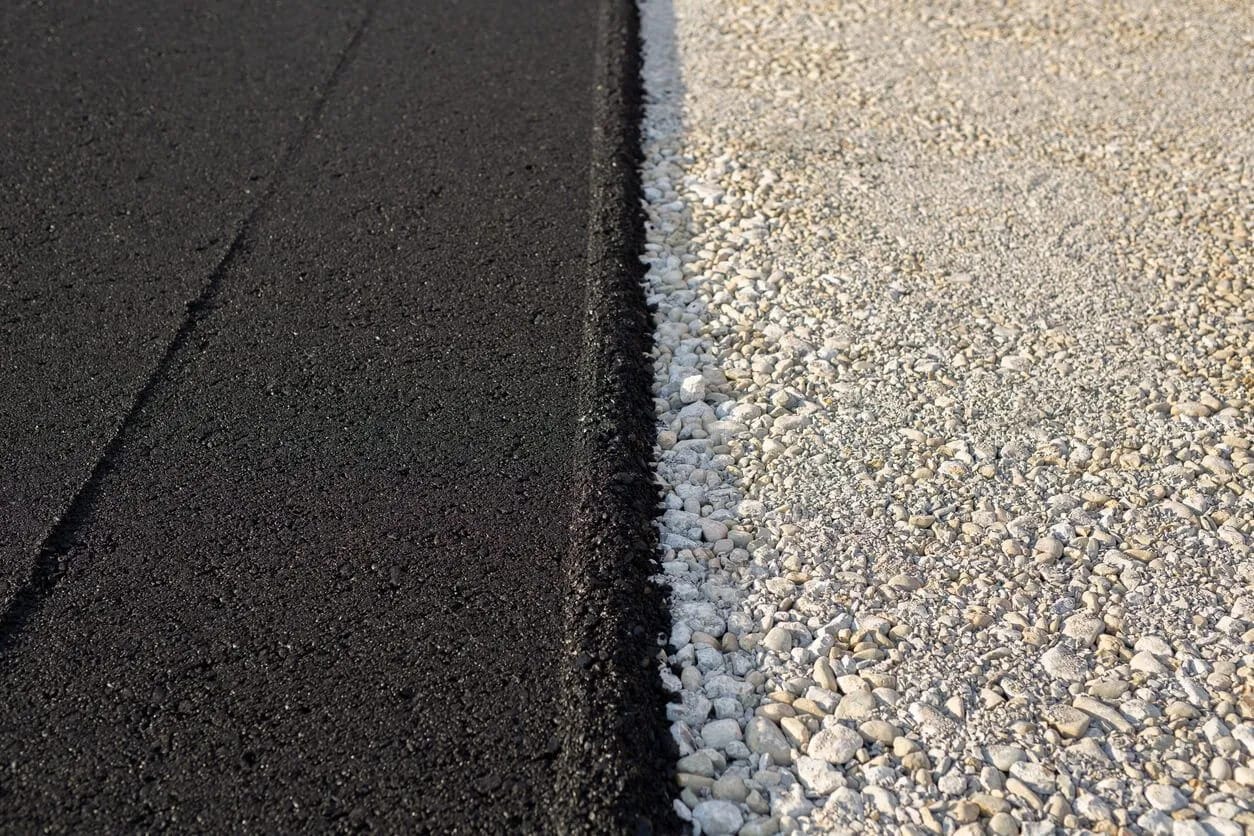
We handle commercial gravel to asphalt conversions in Tulsa, OK so properties can replace dusty, muddy surfaces with clean, professional pavement. Our team reshapes and compacts the base, then paves durable asphalt for parking lots, drive lanes, and access roads. Request a free evaluation and quote to convert your gravel areas to asphalt today.
Precision Asphalt Tulsa provides professional commercial gravel to asphalt throughout Tulsa, OK, Oklahoma and the surrounding area. Our licensed, insured crew delivers safe, clean, on-time work with a free estimate before anything begins. Call (918) 703-4204 or request your free quote.
Commercial Gravel-to-Asphalt Conversions in Tulsa, Built for Heavy Use
Loose gravel lots are hard to maintain, track into buildings, and turn into mud and ruts after an Oklahoma storm. Precision Asphalt Tulsa focuses on commercial gravel-to-asphalt conversions that turn those problem areas into durable, low-maintenance paved surfaces designed for real traffic, not just looks.
Most of our calls in the Tulsa area come from property managers, industrial yards, churches, medical offices, retail centers, and small business parks that are tired of grading the same gravel over and over. You might already be paying regularly for rock, grading, and dust control. A properly built asphalt lot can cut those recurring costs and give customers, tenants, and delivery drivers a safer, cleaner place to park and drive.
We handle conversions for projects as small as a 5-space office lot to several-acre equipment yards. Our team looks at how your site is actually used: where trucks turn, where water collects now, and where pedestrians walk. Those details drive the design. With Precision Asphalt Tulsa you get a straightforward assessment, a clear plan, and no guesswork about what it will take to do the job right on your specific property.
How We Evaluate Your Existing Gravel Lot
A good commercial gravel-to-asphalt conversion starts with what is already in the ground. During the site visit, Precision Asphalt Tulsa checks several key things before we even talk about pricing.
First is base quality. Many gravel lots in Tulsa were originally built as temporary surfaces and do not have enough compacted base to support asphalt and commercial traffic. We check rock depth with test cuts, probe soft spots, and look for pumping areas where water sits under the surface. If the existing rock is clean, well graded, and thick enough, we can often reuse a lot of it as part of the new base.
Next is drainage. In Tulsa clay soils, poor drainage is the fastest way to destroy new asphalt. We look at how water currently flows during a hard rain, check for ponding near entrances, loading docks, and building entrances, and shoot elevations if needed. Sometimes we can fix drainage with regrading only. Other times we recommend adding drains, swales, or small berms so water moves off the pavement quickly.
We also look at utility lids, building thresholds, existing concrete approaches, and dock heights so the new asphalt ties in cleanly. This helps avoid trip edges, standing water along buildings, and steep transitions that can bottom out low vehicles or forklifts. All of this inspection work feeds into an honest conversation about whether you need full-depth reconstruction, partial base improvement, or only surface changes.
Step-by-Step: From Gravel to Finished Asphalt
Once we know what the site needs, Precision Asphalt Tulsa follows a defined process that keeps your business operating as smoothly as possible during construction.
1. Pre-construction planning: We walk the job with you, mark work limits, confirm traffic patterns, and set a phasing plan so customers or trucks always have a way in and out. For retail or medical, this often means working in sections or during off hours.
2. Strip and proof-roll: If there is excess loose gravel, we strip or blade it, then proof-roll the surface with a loaded truck or roller. Soft or pumping areas are marked for repair. This step is critical in Tulsa’s softer subgrades because it shows where additional base is needed.
3. Subgrade repairs and base building: Weak areas are undercut and replaced with suitable aggregate. We then build or rework the crushed rock base to the specified thickness, typically 4 to 8 inches for commercial parking lots and heavier for frequent tractor-trailer traffic. The base is graded to your drainage plan and compacted to a target density.
4. Fine grading and tack: After the base is locked in, we fine grade the surface so water flows where it should. A tack coat is applied to help the asphalt bond tightly to the base or to any existing pavement you are tying into.
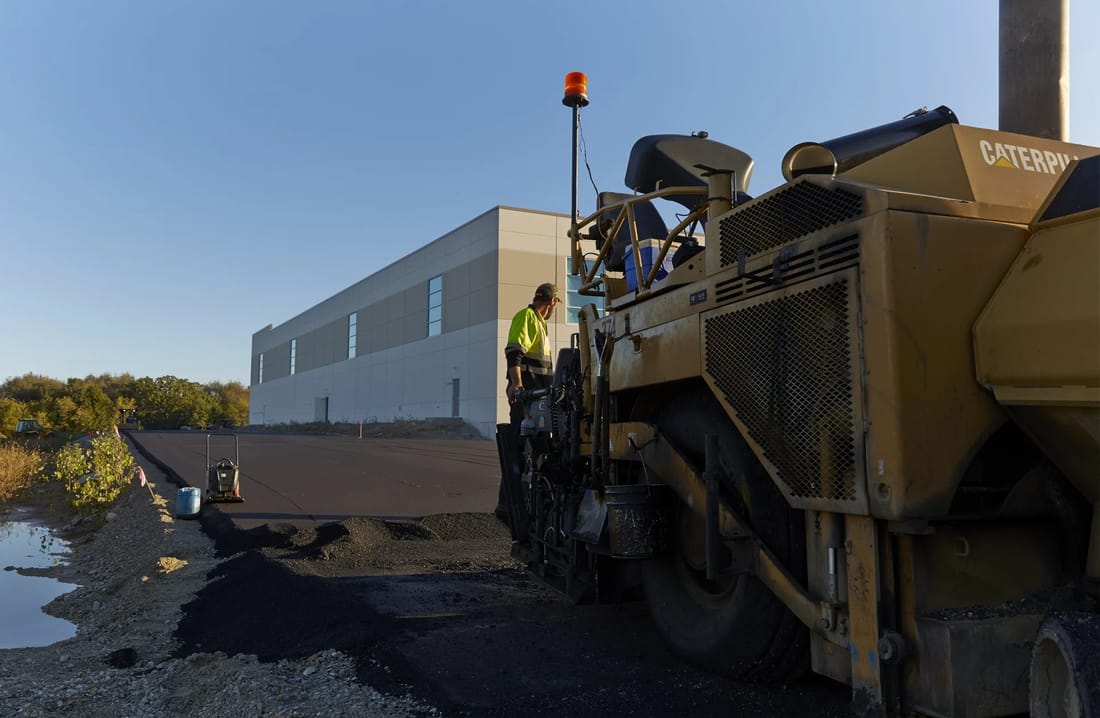
5. Asphalt paving: For most Tulsa commercial gravel-to-asphalt conversions we recommend a 2-lift system, for example a 2 to 3 inch base course plus a 1.5 to 2 inch surface course. We use a paver for consistent thickness, then compact with steel and pneumatic rollers to hit target densities. Joints are carefully matched so you do not end up with seams that ravel early.
6. Marking and cleanup: Once the asphalt has cooled, we stripe parking stalls, ADA spaces, and fire lanes to your layout. We add wheel stops or signage if requested, and then clean up loose rock and construction debris so the site is ready to use.
Material Choices, Load Requirements, and Design Options
Not every commercial gravel-to-asphalt conversion in Tulsa should be built the same way. Precision Asphalt Tulsa looks at how your property is used and then recommends thicknesses and mixes that make sense.
For office, retail, and restaurant lots, a standard commercial design with a moderate asphalt thickness and well-compacted base is usually sufficient. If your site regularly sees delivery trucks in certain lanes or at loading docks, we will often thicken the asphalt or base in those drive lanes only. This targeted approach controls cost while reinforcing the areas that take the most abuse.
Industrial yards, equipment storage, and properties with frequent semi traffic typically need upgraded sections. That can include thicker base rock, a heavier asphalt section, or in some cases using a more rut-resistant mix in high-stress zones such as dumpster pads and truck aprons. We explain the trade-offs so you are not paying for highway spec pavement in low-use areas.
You will also choose between different layout options. During the conversion, it is an ideal time to reconfigure parking counts, add accessible routes, add loading zones, or widen tight drive lanes that cause fender benders. Our team can provide practical suggestions based on what we see across Tulsa properties of similar size and use.
In some situations, especially where you have long gravel drives on steep grades, we may discuss reinforcing edges or adding concrete transitions at entrances to connect to city streets. This helps the asphalt hold up where vehicles turn sharply or brake hard.
Cost Drivers, Local Conditions, and Common Problems We Solve
Owners often want to know why two gravel lots of similar size can price very differently. With commercial gravel-to-asphalt conversions in Tulsa, the main cost drivers are base and drainage, not just the square footage.
If your existing gravel is thin, contaminated with dirt, or sitting on soft clay that moves in wet weather, we may need to undercut and replace more material to build a stable foundation. That costs more up front but prevents rutting, alligator cracking, and potholes that show up within a couple of years. On the other hand, some older gravel yards have several compacted layers of rock that we can reuse with only minor improvement, which keeps costs lower.
Drainage fixes also affect price. Adding or adjusting slopes within the site may be simple regrading. Installing catch basins, trench drains, or new pipe to move water off site drives cost higher but is sometimes necessary in low-lying Tulsa properties, especially near the river or in areas with a history of standing water after storms.
Common issues we see on conversions include reflective cracking where old failed areas were not corrected, ponding around downspouts, and edges that break off because the pavement was not supported. Precision Asphalt Tulsa tackles these directly by repairing soft spots instead of just paving over them, managing roof and surface runoff so it does not dump onto the pavement, and building proper edge support with shoulders or thickened edges where needed.
Air temperatures and Oklahoma weather also matter. We schedule the paving portion of the work when we can compact the asphalt correctly and avoid rapid cooling or saturating rains. Rushing to pave a large commercial site on a bad-weather day is a recipe for weak, short-lived pavement, so we are candid about when to hold off a day to protect your investment.
What Tulsa Property Owners Should Ask Before Hiring
Before you commit to a commercial gravel-to-asphalt conversion, it helps to know what to ask. Precision Asphalt Tulsa encourages you to have any contractor walk you through these points in writing.
Ask how they will evaluate and improve the base, not just how thick the asphalt will be. If the proposal does not mention proof-rolling or soft-spot repair, you are likely getting a surface-only solution that will mirror your current ruts within a short time.
Confirm the drainage plan. Where will water go after the conversion, and how will they prevent ponding at entrances, ADA routes, and in heavy-traffic areas? In Tulsa’s storm patterns, poor drainage can ruin even a thick asphalt section.
Request mix and thickness details that are specific to your property use. A one-line description like "2 inches of asphalt" is usually not enough information for a commercial lot. You should see separate notes for parking areas, drive lanes, and truck routes if they carry different loads.
Discuss phasing and access. For active businesses, it is essential to know which entrances will be closed on which days, how emergency access is maintained, and how tenants or customers will be notified. We typically provide a simple phasing map or schedule so everyone on site knows what to expect.
Finally, ask about warranty and realistic maintenance. A good contractor will explain what you should expect in the first few years, when to consider crack sealing and sealcoating, and what is excluded, such as damage from new utility cuts or unusual traffic outside the design. Precision Asphalt Tulsa prefers clear expectations so your new asphalt surface performs the way you need it to, for as long as possible.