Home › Asphalt Pathways, Sidewalks, and Trails
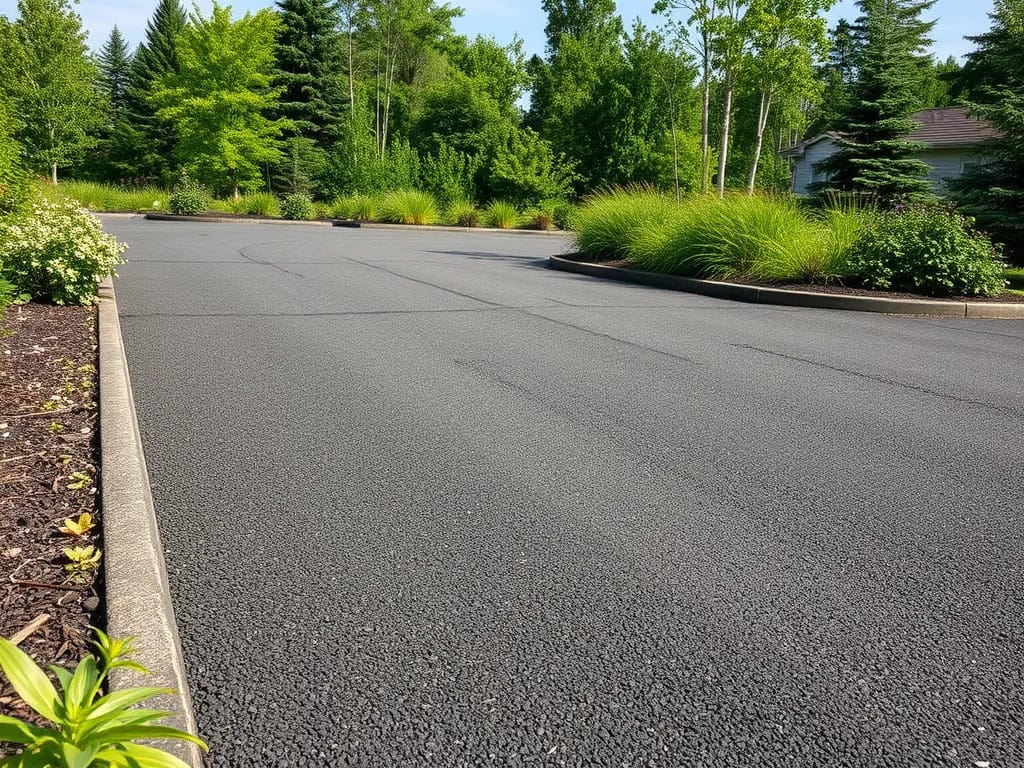
We install asphalt pathway paving in Tulsa, OK for parks, campuses, neighborhoods, and commercial sites that need smooth walking and biking routes. Our paths are designed to be accessible, drain properly, and blend into surrounding landscaping. Get a free quote for asphalt sidewalks, multi use trails, and paths today.
Precision Asphalt Tulsa provides professional asphalt pathway paving throughout Tulsa, OK, Oklahoma and the surrounding area. Our licensed, insured crew delivers safe, clean, on-time work with a free estimate before anything begins. Call (918) 703-4204 or request your free quote.
Asphalt Pathways, Sidewalks, and Trails in Tulsa, OK
Neighborhoods, parks, schools, churches, and businesses across Tulsa rely on pathways and sidewalks to keep people moving safely. At Precision Asphalt Tulsa, we focus on asphalt pathway paving that holds up to Oklahoma heat, sudden storms, and steady foot and bike traffic.
Asphalt is often a better fit than concrete for long paths and trails in our area. It flexes with our clay soils, can be repaired in sections without obvious color changes, and is usually faster and more affordable to install over large distances. That is why you see so many asphalt walking trails around Tulsa parks and greenbelts.
Whether you are planning a short sidewalk connection, a loop trail around a pond, or a network of paths on private property, we design the paving with your specific use in mind, such as walkers only, mixed bike and pedestrian traffic, or light maintenance vehicles. Our team lives and works here in Tulsa, so we understand the local codes, drainage habits of our soil, and the real-world wear that pathways face.
We bring that local experience to every step, from layout and drainage planning to compaction testing and final striping where needed, so your new asphalt pathway is comfortable to use and simple to maintain.
Planning and Design for Asphalt Pathways
Good pathway projects start on paper. Before any equipment shows up, Precision Asphalt Tulsa meets with you on-site to walk the intended route, look at slopes, low spots, tree roots, and existing structures, and talk about how the path will be used. This early walk-through helps avoid surprises later.
For neighborhoods and commercial sites, we look at how pathways connect to parking lots, building entrances, playgrounds, and crosswalks so people move naturally and safely. For park and trail projects, we evaluate sight lines around curves, places where water tends to stand after a storm, and where lighting or benches might be added so the asphalt layout supports your full plan.
We then recommend width and thickness based on use. A simple residential footpath might be 4 to 5 feet wide with 2 to 3 inches of asphalt, while a mixed-use trail that carries bikes and small utility carts may be 8 to 10 feet wide with 3 inches or more of asphalt over a stronger base. In Tulsa, we also factor in shaded areas that may stay damp longer and traffic near school routes where wear is heavier.
If your project requires city review or HOA approval, we can provide basic layout drawings, thickness specifications, and material notes that match Tulsa standards. Our goal is to get a design that fits your budget now and handles the daily use you expect for years.
Site Preparation and Base Work
Most of the strength of an asphalt pathway is hidden under the surface. In our clay-heavy Tulsa soils, proper base work is critical so paths do not ripple, crack, or hold water after the first heavy rain. Precision Asphalt Tulsa spends as much time as needed on this step because it is where long-term performance is decided.
We begin by stripping grass, roots, and any soft topsoil from the pathway alignment. On existing routes, we remove broken concrete or asphalt and haul it off or recycle it. We then shape the subgrade to create a slight crown or cross slope so water runs off instead of sitting in the middle of the path.
Next, we install a compacted aggregate base, usually crushed rock, to a thickness tailored to your soil and use. For simple residential sidewalks over stable ground, the base layer might be 4 inches. For trails in low spots or areas that will see small maintenance vehicles, the base may be 6 inches or more. We spread the rock, then compact it with a roller or plate compactor until it reaches the density needed to support the asphalt.
In low-lying Tulsa areas that stay soft after rain, we may recommend geotextile fabric under the base to keep rock from pushing down into the mud. Along slopes or near drainage ditches, we can add small swales or shallow ditches beside the pathway so heavy rains have somewhere to go other than across the paved surface.
Asphalt Pathway Paving Process
Once the base is ready, we schedule asphalt paving on a day with the right temperature and a good weather window. Oklahoma weather can change quickly, so our crew watches the forecast closely to avoid laying asphalt just before a storm.
For most pathway and sidewalk projects, we use hot-mix asphalt brought from a local plant. The mix type and size of aggregates depend on whether the surface is for walking only or mixed use with bikes and carts. For smoother walking surfaces, we typically select a finer aggregate mix that is easier on strollers, wheelchairs, and runners.
We deliver the asphalt to the site, spread it using a small paver or by hand for tighter areas, then compact it in multiple passes. Edge control is important on narrower paths, so we use forms or tight grading to keep the edges straight and uniform. For residential sidewalks and short connections, handwork is often needed around driveways, steps, and landscaping.
Compaction begins immediately after placement while the asphalt is still workable. We use rollers and plate compactors sized to the job so we reach proper density without pushing material off the edges. Consistent compaction is what keeps pathways from raveling, getting loose on the surface, or developing early cracks. We finish by checking slopes with our levels to confirm that water will drain properly in real conditions, not just on paper.
Finishing Touches, Safety, and Accessibility
A pathway is more than just black pavement. Precision Asphalt Tulsa focuses on finishing details that make sidewalks, pathways, and trails safe and usable for everyone in your community.
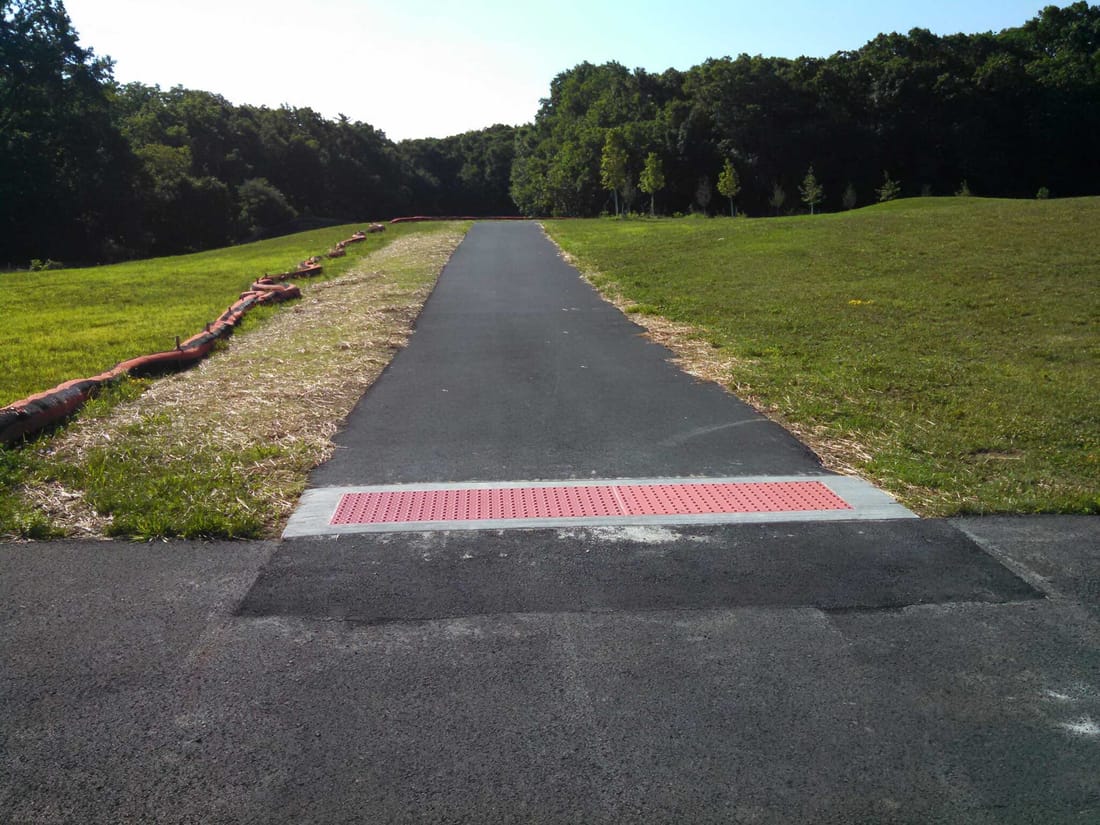
At intersections with streets or parking lots, we make sure transitions are smooth and compliant with ADA guidelines where required. This may involve gentle tapers, matching adjoining concrete ramps, or coordinating with another contractor to install tactile warning surfaces. For schools, medical offices, and public buildings in Tulsa, these details are often inspected, so we build them correctly the first time.
For shared-use trails, we can add center striping, edge lines, or simple painted markings to separate directions or identify bike lanes and walking zones. In areas where the pathway crosses a driveway or access road, we often suggest contrasting markings or reflective elements so drivers recognize the crossing, especially at night.
Edge support is another finishing detail. In some settings, we recommend small shoulders of compacted rock or topsoil along the sides of the asphalt to prevent the edges from breaking away when people walk near them. Around landscaping, we coordinate with your irrigation and planting plans so future tree roots or overwatering do not shorten the life of your new pavement.
Cost, Lifespan, and Maintenance for Tulsa Pathways
Property owners naturally ask what drives the cost of asphalt pathway paving. In our experience around Tulsa, the main factors are total length and width, how much earthwork and base improvement is required, ease of access for equipment, and whether the path serves pedestrians only or also supports bikes and light vehicles.
A straight sidewalk along a relatively flat residential lot costs less per foot than a winding trail that needs tree clearing, drainage work, and additional base. Working in tight courtyards, behind existing buildings, or within active school campuses can also add time and protection measures, which affects pricing.
With proper design and care, asphalt pathways in Tulsa usually provide 15 to 25 years of service. Heat, sun, and occasional ice cycles in Oklahoma will age the surface over time, but routine maintenance can significantly extend its life. We recommend sealcoating at appropriate intervals, usually every few years depending on use, to keep the surface from oxidizing and to fill hairline cracks before water can get in.
When damage does occur, asphalt is relatively simple to repair. We can cut out and replace localized areas, level settled spots, or overlay older paths with a new surface layer if the base is still strong. We offer maintenance plans that include crack filling, patching, and resurfacing for Tulsa property owners who want predictable costs and a consistent appearance across their networks of paths and sidewalks.
Why Work With Precision Asphalt Tulsa
Choosing a contractor for asphalt pathways, sidewalks, and trails is about more than getting a low number on a bid sheet. You are trusting a team with connections between homes, businesses, schools, and parks that your neighbors will use every day.
Precision Asphalt Tulsa is locally based and focused on our city and surrounding communities. Our crews are familiar with Tulsa-specific issues like shrinking and swelling clay soils, drainage patterns after heavy thunderstorms, and the wear that comes from school traffic and community events. We use that knowledge to recommend designs and construction methods that make sense here, not in some other climate.
We keep communication straightforward. Before we start work, you know exactly what thicknesses we are installing, what base improvements we are making, and when each stage will happen. During construction, we coordinate with your schedule to reduce disruption to residents, employees, or park users, including working in phases when needed to keep some access open.
If you are considering a new asphalt pathway or need to repair or extend existing sidewalks or trails, we are glad to visit your Tulsa property, walk the route with you, and provide a clear, written proposal. Our goal is to build pathways that feel natural to use, fit the character of your site, and hold up to everyday life in Oklahoma.