Home › Asphalt Resurfacing & Overlays
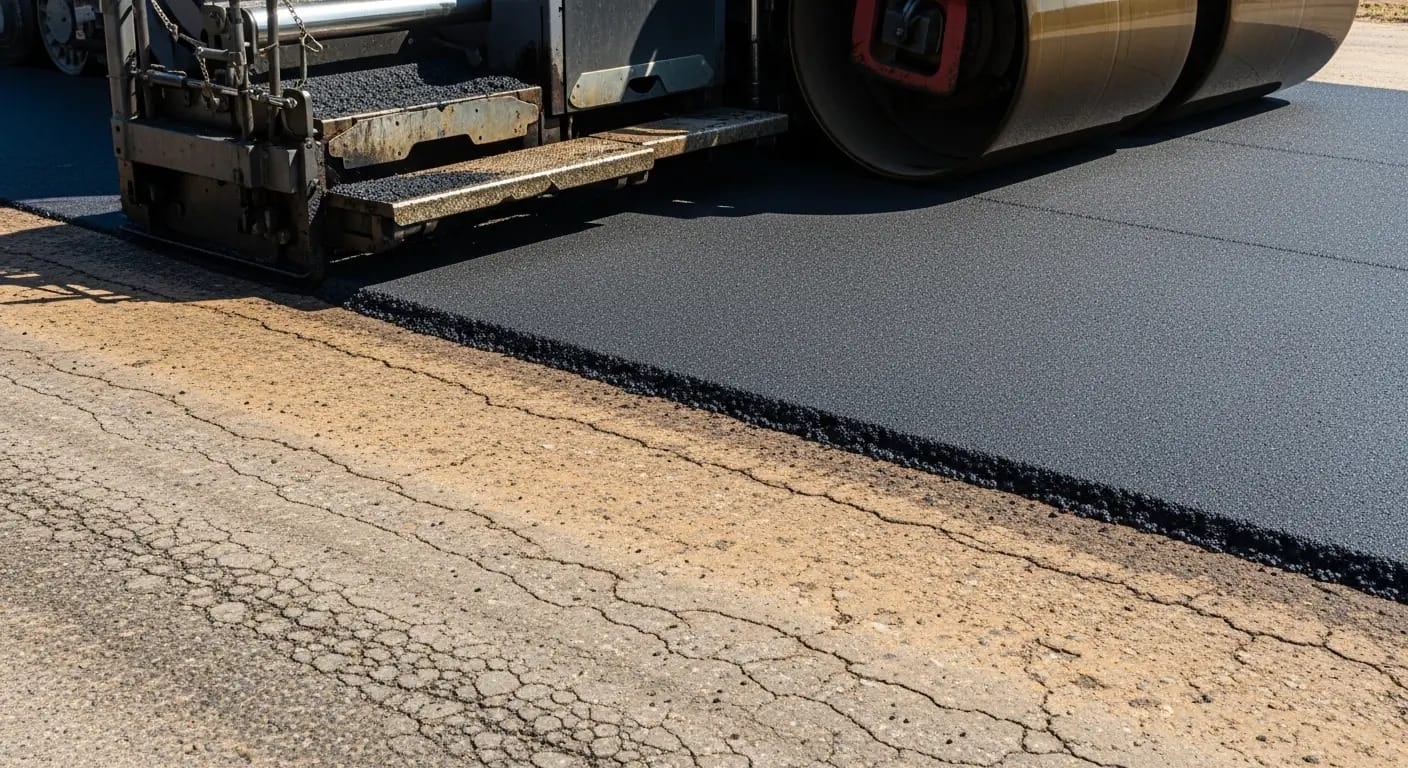
Our asphalt resurfacing in Tulsa, OK gives tired, cracked driveways a fresh, smooth surface without the cost of full replacement. We repair problem areas, clean the pavement, and apply a new asphalt overlay that bonds tightly and improves curb appeal. Get a free resurfacing quote and evaluation of your driveway today.
Precision Asphalt Tulsa provides professional asphalt resurfacing throughout Tulsa, OK, Oklahoma and the surrounding area. Our licensed, insured crew delivers safe, clean, on-time work with a free estimate before anything begins. Call (918) 703-4204 or request your free quote.
Asphalt Resurfacing & Overlays in Tulsa, Done the Right Way
Tulsa streets, parking lots, and driveways take a beating from hot summers, sudden storms, and winter freeze-thaw cycles. Over time, the top layer of asphalt dries out, cracks, and ruts, even if the base underneath is still solid. Asphalt resurfacing, also called an overlay, is the process of installing a new asphalt layer over the existing pavement to restore a smooth, safe surface without paying for a full tear out and replacement.
Precision Asphalt Tulsa focuses on resurfacing and overlays that match our local conditions in Tulsa, OK. We look at how your pavement is actually used, from daily school traffic or delivery trucks to church members on Sundays or customers in a small retail lot. Instead of a one-size-fits-all approach, we adjust thickness, mix design, and schedule so the new surface can handle your real-world traffic and local weather for years.
If you are seeing widespread cracking, standing water, fading, or rough patches but your pavement is not crumbling everywhere, asphalt resurfacing may be your most cost-effective option. Our job is to help you decide whether an overlay makes sense, and if it does, to install it to a standard that will hold up in Tulsa’s climate, not just look good for a season.
How We Evaluate If Asphalt Resurfacing Is Right for You
Before anyone at Precision Asphalt Tulsa talks about laying a new layer of asphalt, we inspect the pavement thoroughly. We core sample or cut small test areas as needed to see how thick the existing asphalt is and whether the base rock underneath is stable. If the base is pumping, shifting, or saturated, a simple overlay will fail quickly and is not a smart investment.
We walk the site with you and identify different types of distress. Alligator cracking in wheel paths, widespread block cracking, and shallow ruts are often good candidates for resurfacing as long as they are not tied to deep base failures. On the other hand, large sinking areas, repeated potholes in the same spots, or heaving along edges can indicate subgrade or drainage problems that must be fixed before any overlay is installed.
Drainage is a major factor around Tulsa. Heavy thunderstorms can dump a lot of water fast, so we check where water goes, where it ponds, and whether existing inlets and slopes will still work after we add new asphalt thickness. We also measure clearances at curbs, door thresholds, and garage slabs to make sure an overlay will not create trip hazards or water intrusion into buildings. If we cannot overlay safely at the current elevations, we discuss milling and grade adjustments instead of simply putting new asphalt on top.
Step-by-Step: Our Asphalt Resurfacing & Overlay Process
Once we confirm that resurfacing is appropriate, Precision Asphalt Tulsa follows a detailed process designed around local conditions and your property’s use.
1. Surface cleaning and preparation: We thoroughly clean the existing pavement using mechanical sweepers and blowers so the new asphalt will bond properly. Any loose or delaminated areas are removed. Oil spots common in parking stalls are treated or cut out so the new layer does not slip or separate.
2. Structural repairs and patching: Localized failures, potholes, and severely cracked sections are cut out square and replaced with new, compacted asphalt at full depth. This prevents those bad spots from reflecting through the new surface too quickly. In older Tulsa neighborhoods, this is especially important where tree roots or past utility cuts have weakened the pavement.
3. Milling (as needed): Where elevations are tight around curbs, ADA ramps, or garage doors, we machine mill the existing asphalt to a specific depth. Milling creates room for the new overlay, keeps water flowing to drains at the right slope, and avoids tripping edges at sidewalks.
4. Tack coat application: We apply a uniform tack coat, which is a bonding layer of asphalt emulsion, to the cleaned surface. In our climate, with rapid temperature swings, a strong bond between old and new asphalt is critical to prevent sliding, shoving, or early delamination.
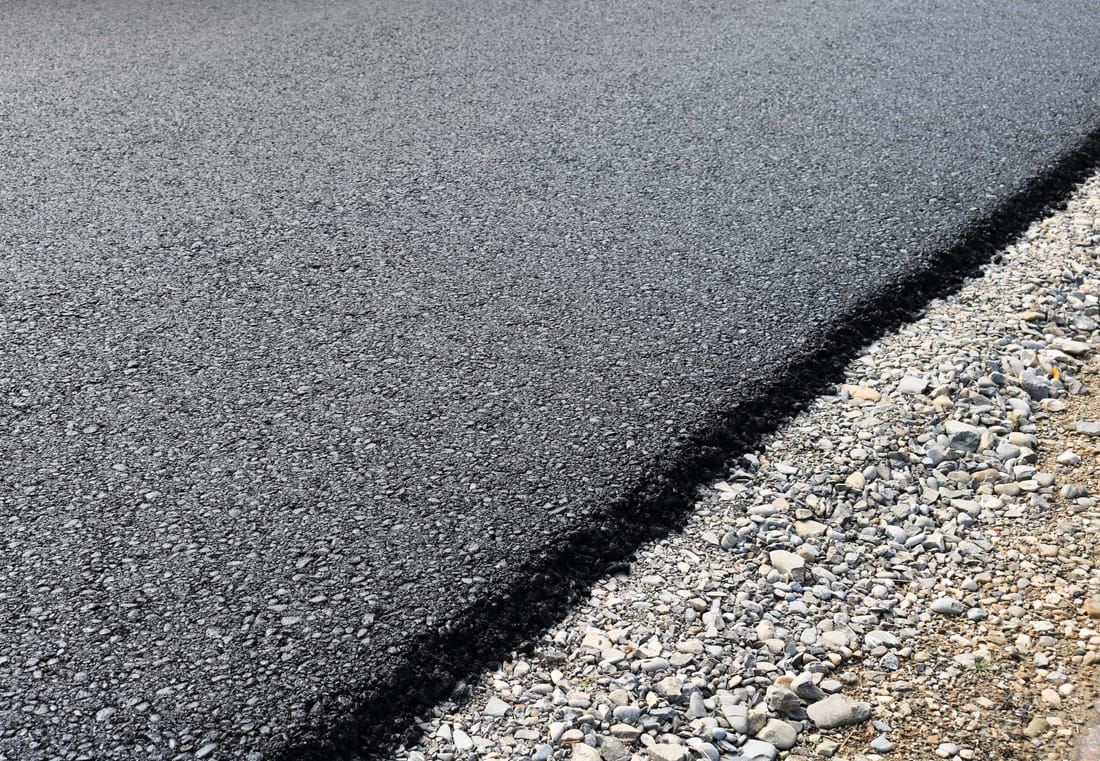
5. Placing the new asphalt layer: We install a new asphalt surface course, typically 1.5 to 2 inches thick for light duty areas and thicker where trucks or buses travel. For commercial sites we often use mixes with a harder binder and selected aggregates that hold up better to Tulsa’s summer heat and heavy traffic.
6. Compaction and finishing: Steel drum and pneumatic rollers are used in a specific rolling pattern to achieve proper density and a smooth finish. Good compaction is what makes an overlay durable. We pay close attention to joints and tie ins at edges, so there are no abrupt bumps between resurfaced sections and existing concrete or asphalt.
7. Marking and cleanup: Once the new surface cools, we replace striping, parking stalls, arrows, and ADA markings according to your layout and local code. The site is left clean, with barricades or cones in place until the surface is ready for full traffic.
Material Choices and Design Options for Overlays
Not every asphalt overlay in Tulsa should use the exact same mix or thickness. Precision Asphalt Tulsa explains your options up front so the resurfacing matches how the pavement is used and how long you plan to own or manage the property.
For residential driveways, we usually recommend a fine-graded surface mix that compacts tightly and provides a clean appearance. For local businesses with delivery trucks or dumpster pads, we may specify a coarser, more robust mix in loading areas, or even a thicker overlay in those wheel paths while keeping a standard thickness elsewhere to control costs.
In some cases we suggest a leveling course under the main overlay. This is a thin asphalt layer used to correct existing ruts, depressions, or waves before the final surface goes down. Leveling is especially useful on older commercial lots that have settled unevenly over the years. It helps restore proper water flow and prevents puddling after rain.
We can also integrate surface treatments with your overlay plan. For example, if your lot bakes in direct sun most of the day, we may recommend a slightly different binder grade that is less prone to softening in high temperatures, which can reduce rutting from slow turning vehicles. On properties near industrial areas in Tulsa, we account for dripped fuels or chemicals that can prematurely age asphalt and discuss sealcoating schedules tailored to those conditions.
Our goal is to design an overlay that considers the next 8 to 15 years of use, not just the first year of appearance. We document the material choices and thicknesses for you, so future maintenance or future owners know exactly what is under the surface.
What Affects Asphalt Resurfacing Cost in Tulsa
Homeowners and property managers often ask why resurfacing prices vary from one site to another. Precision Asphalt Tulsa is transparent about what drives the cost of an asphalt overlay in our area.
Site size and layout are major factors. A straightforward rectangular lot or driveway is quicker and more efficient to pave than a property with many islands, tight turns, or small separate sections. More stop and start work and hand raking generally means higher labor time.
Preparation needs can also change the cost significantly. Projects that require extensive full depth patching, milling around sidewalks or curb inlets, or repairs to failed edges will cost more than surfaces that are mostly structurally sound. In Tulsa’s older commercial areas, correcting long-standing drainage issues can add necessary grading or additional asphalt in low areas.
Access and phasing matter as well. If we can close a lot or driveway entirely for a short period, we can work more efficiently. Where businesses must stay open, we often sequence the job in phases or work off hours. This protects your operations and customers but may take longer and require more mobilizations.
Material thickness and mix type are another cost driver. Heavier traffic requires thicker overlays and higher performance mixes, which use more asphalt cement and aggregate. For example, a retail center with frequent delivery trucks and bus traffic will simply need a more robust design than a small office lot or residential driveway.
When we visit your property, we break these pieces down clearly so you understand exactly what you are paying for and which options are worth the investment based on how long you plan to use the pavement.
Tulsa Weather, Timing, and Project Scheduling
Our local weather in Tulsa affects how and when asphalt resurfacing should be done. High summer heat, spring storms, and occasional cold snaps mean timing and planning matter if you want an overlay that lasts.
Precision Asphalt Tulsa typically schedules most resurfacing work from late spring through early fall, when both daytime and nighttime temperatures allow proper compaction and curing. Asphalt placed when it is too cold can cool too quickly and may not achieve the density needed to resist future cracking.
Rain is another factor. Asphalt cannot be placed on a wet surface, and tack coat will not bond correctly if it is washed out or contaminated. During our stormier months, we monitor the forecast closely and adjust schedules to avoid paving right before a heavy rain. If it looks risky, we would rather reschedule a day than rush and sacrifice quality.
For active businesses, churches, and schools, we plan resurfacing in stages so you can stay functional. This may mean paving one entrance at a time, working evenings or weekends, or dividing a large lot into sections so parking remains available. We coordinate with your busiest times, deliveries, and events so the disruption is as minimal as possible.
We also provide clear guidance on when you can drive or park on the new surface, typically within 24 hours for most light duty areas, with extra caution in very hot weather when asphalt can stay soft on the surface. Our team leaves you with simple instructions tailored to your site so the new overlay is protected during its first critical days.
Choosing Precision Asphalt Tulsa for Your Overlay Project
Asphalt resurfacing is not just putting a black layer over old pavement. The long term success of an overlay in Tulsa depends on correct evaluation, preparation, material selection, and compaction. Precision Asphalt Tulsa treats every resurfacing project like a long term asset, not a quick cover up.
We live and work here, so we see firsthand what works on Tulsa’s streets, subdivisions, and commercial properties after ten summers and winters. We bring that experience to every job, from a single family driveway in midtown to a logistics yard along the highway. Our crews are trained to spot issues before they are buried under new asphalt and to communicate clearly with you while work is underway.
When you call us for asphalt resurfacing, we start with an on site assessment and an honest recommendation. If your pavement truly needs full reconstruction instead of an overlay, we will explain why and show you the evidence rather than selling a short lived fix. If resurfacing is a good option, we provide a detailed plan, timeline, and cost breakdown so there are no surprises.
If you are in Tulsa or the surrounding communities and your asphalt is rough, cracked, or holding water, but not completely failing, an overlay might be the most efficient way to extend its life. Reach out to Precision Asphalt Tulsa to schedule an evaluation, and we will help you choose the right approach for your property and budget.